Why We Judge Within Seconds - And Why Do Your Clothes Speak Before You Do?

Someone enters a room and before they've said a single word, you have already decided whether they are competent, trustworthy, wealthy, creative, approachable or intimidating. It takes less than ten seconds. Sometimes, less than one.
But why does the human brain make these assumptions so quickly? And what role does clothing play in shaping first impressions?

Your brain loves shortcuts
Let's start with the basics. The human brain is naturally wired to make quick judgements. This process, known as thin slicing, refers to our ability to form impressions based on a very small amount of information. This concept was heavily popularized by psychologist Malcolm Gladwell in his book "Blink" after decades of psychological research.

From an evolutionary perspective, these rapid assessments were essential for survival, allowing our ancestors to determine whether someone posed a threat or could be trusted. While modern life no longer requires us to make life or death decisions in a matter of seconds, our brains continue to rely on these mental shortcuts. And because clothing is one of the first visual cues we notice, it becomes a powerful source of information that shapes these immediate impressions before a single word is spoken.
Clothes are social signals
Before a conversation even begins, clothing communicates a wealth of information. Fashion functions as a form of non verbal communication, allowing people to express aspects of their identity, personality, values and social status without having to say anything.

A tailored blazer may be associated with professionalism and competence, luxury accessories with wealth and prestige, vintage clothing with creativity and individuality,
gym wear with a health-conscious lifestyle and minimalist outfits with sophistication or confidence. While these assumptions are not always accurate, our brains instinctively use clothing as a visual cue to form initial impressions. In this sense, fashion acts as a silent language - one that shapes how others perceive us.
The Halo effect
One of the most influential psychological biases behind first impressions is the Halo Effect. This cognitive bias occurs when one positive characteristic shapes our overall perception of a person, leading us to attribute other favourable qualities that may not necessarily be true.
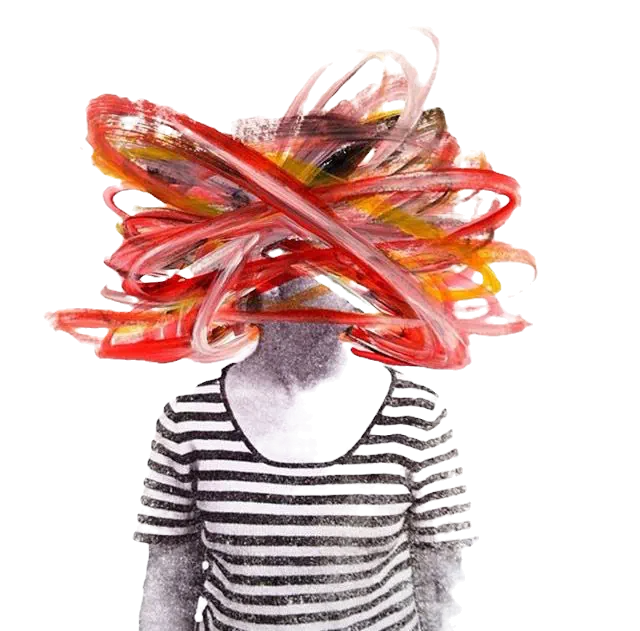
For example, if someone is well-dressed and presents themselves in a polished manner, we are more likely to assume they are intelligent, kind, competent, and successful even without any evidence to support these conclusions. Rather than evaluating each characteristic independently, our brains allow one positive impression to "spill over" into other areas. As a result, appearance can significantly influence how others perceive our abilities, personality, and credibility within just a matter of seconds.
Luxury Brands know this...
Luxury fashion brands have long understood the psychology behind first impressions. They are not simply selling clothing or accessories: they are selling the meanings and signals attached to them. Every design choice, from a prominent logo to the quality of a fabric, communicates something about the wearer.

Recognisable brands such as Louis Vuitton, Gucci and Chanel have built much of their identity around instantly recognisable logos and signature designs, which often communicate status, exclusivity and prestige. Carrying a Louis Vuitton monogram bag or wearing a Gucci belt, for example, can lead others to associate the wearer with wealth or success before they have even spoken.
In contrast, the rise of quiet luxury has shifted this form of communication away from obvious branding. Brands such as The Row, Loro Piana and Brunello Cucinelli rarely rely on visible logos. Instead, they communicate sophistication through impeccable tailoring, premium fabrics such as cashmere and silk, and exceptional craftsmanship. Their appeal lies in subtlety, with quality recognised by those familiar with luxury fashion rather than by the general public.
Whether overt or understated, both approaches demonstrate how luxury fashion serves as a powerful social signal, shaping perceptions long before a conversation begins.
Fashion as Self Expression
While clothing undoubtedly influences how others perceive us, it also shapes how we perceive ourselves. Psychologists refer to this phenomenon as enclothed cognition, which is the idea that the clothes we wear can influence our thoughts, emotions, and behaviour. Research suggests that wearing certain types of clothing can enhance confidence, improve focus, and even affect posture and performance.
For example, wearing a bold colour or a statement piece may encourage feelings of creativity and self-assurance, while putting on a carefully styled outfit for an important occasion can create a sense of preparation and confidence. Similarly, wearing clothing that reflects personal identity, such as vintage pieces, cultural garments, or designs connected to personal values, can strengthen feelings of authenticity and belonging. Fashion therefore extends beyond appearance; it becomes a psychological tool that influences not only how others see us, but also how we see ourselves.

Perhaps we don't judge people by their outfits because we are shallow - we do it because our brains are wired to search for meaning in milliseconds.
Clothes become symbols, stories, and shortcuts long before introductions begin. The challenge isn't to stop making first impressions: that's nearly impossible. It's to remember that the most interesting parts of a person are rarely visible at first glance.


Comments